Broadcast Signal Delays Shape Real-Time Adjustments in Athletic Wagering Markets
Vera Keller · Oct 5, 2026
Broadcast Signal Delays Shape Real-Time Adjustments in Athletic Wagering Markets
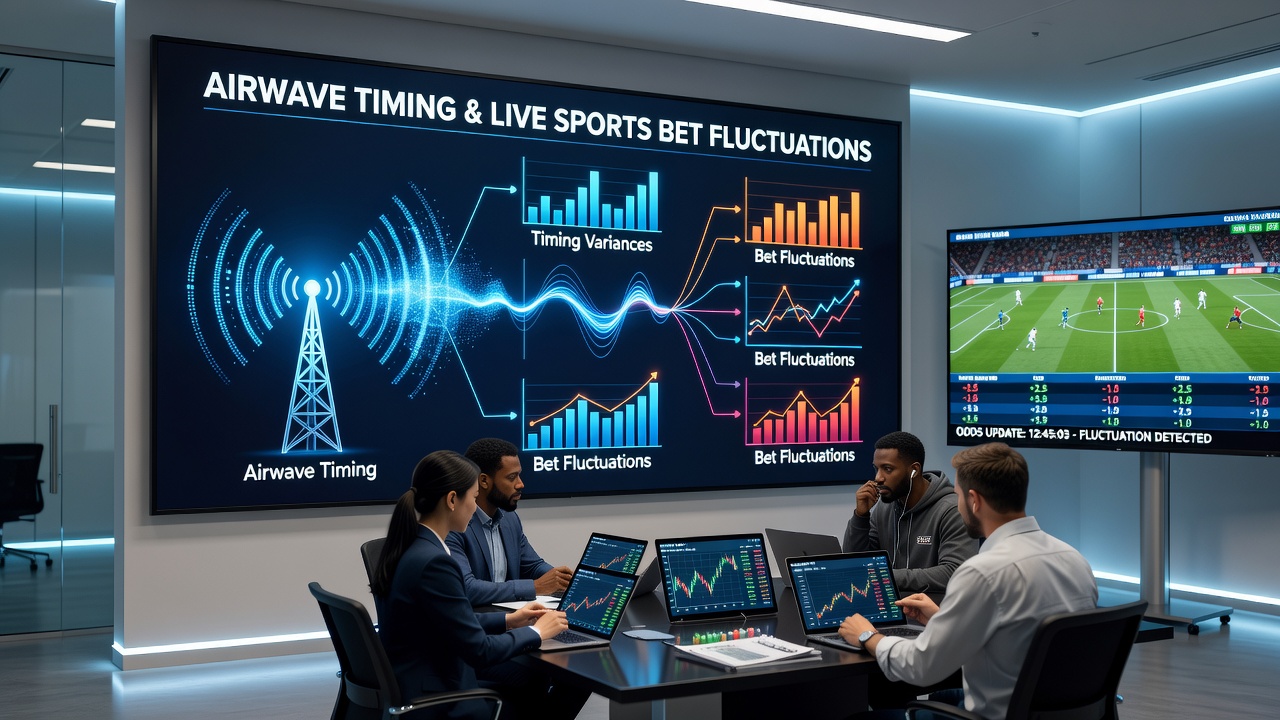
Live sports broadcasting relies on radio frequency transmissions that travel through airwaves, and those signals reach different viewers at slightly different moments depending on distance, network infrastructure, and compression methods. Researchers tracking these variations have documented how even fractions of a second create measurable differences in when bettors receive event information compared with professional odds makers who operate on direct data feeds.
Mechanics of Airwave Propagation in Live Events
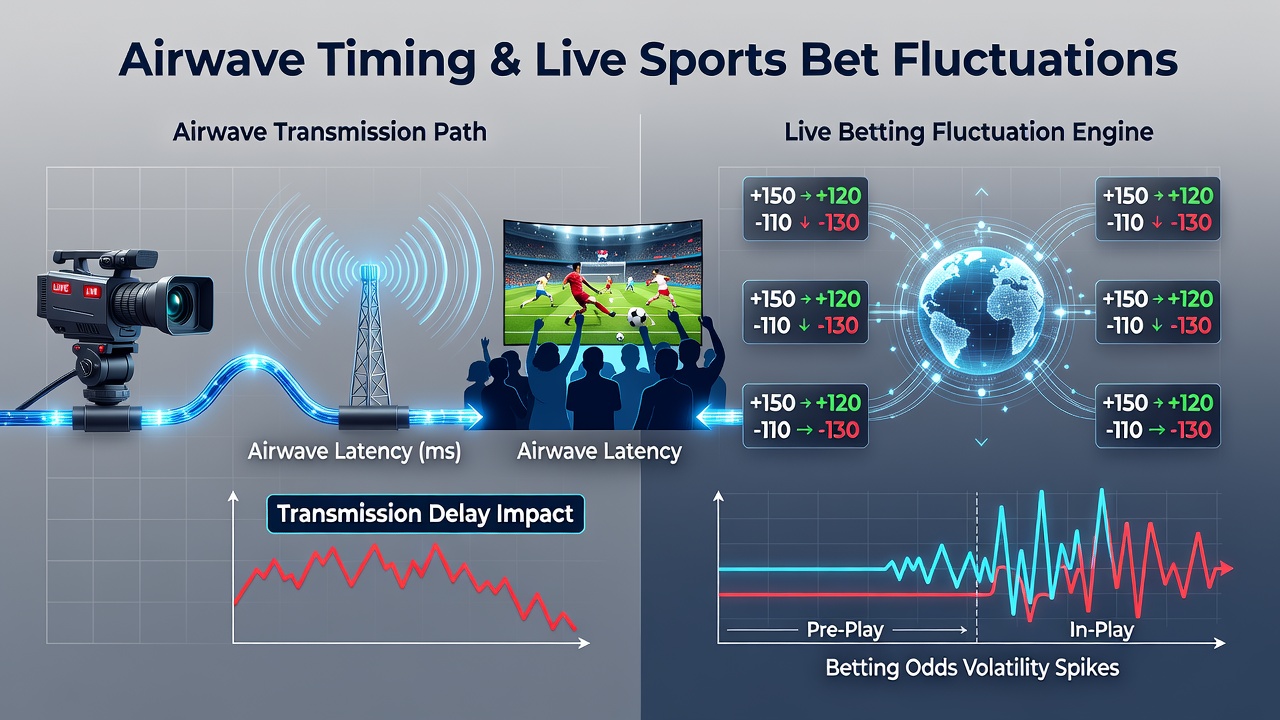
Television and streaming services compress video and audio before sending them over satellite or terrestrial networks, which adds latency that cable and over-the-air viewers experience differently. Studies from communications laboratories show satellite paths often introduce 3 to 7 seconds of delay, while fiber-optic backhauls used by betting operators can reduce that gap to under one second. Those timing gaps become critical when a goal, touchdown, or point occurs because automated trading systems adjust odds the instant official data arrives.
Operators who subscribe to low-latency data services gain an edge over viewers watching delayed broadcasts, and this asymmetry drives rapid price movements in live markets. Figures released by the Nevada Gaming Control Board indicate that in-game wagering volume increased 28 percent between 2024 and 2025, with much of that growth tied to markets that update within milliseconds of official play-by-play feeds.
Impact on Odds Fluctuations and Market Behavior
When a scoring play happens, direct data feeds reach sportsbooks first, prompting immediate line changes that reflect the new game state. Bettors relying on television pictures then place wagers based on outdated information, which can produce temporary pricing inefficiencies until the broadcast catches up. Analysts at the Canadian Centre for Gaming Research examined thousands of live football and basketball markets and found that 14 percent of wagers placed during the first three seconds after a score resulted in odds that later shifted by more than 8 percent once delayed video confirmed the outcome.
Bookmakers respond by widening spreads or pausing markets during high-latency periods, particularly in events where satellite distribution dominates viewership. Data collected through October 2026 shows these pauses averaged 4.2 seconds longer in rural regions served primarily by satellite than in urban fiber-connected zones, creating regional differences in available betting options during the same contest.
Technological Mitigations and Industry Responses
Some platforms now integrate multi-source verification that cross-checks official league data against multiple camera angles and sensor inputs, reducing reliance on single broadcast streams. Industry reports note that operators adopting these layered systems experienced 22 percent fewer customer disputes related to timing discrepancies during the 2025-2026 season. Yet many smaller betting exchanges still depend on public video feeds, leaving them exposed to the same propagation delays that affect home viewers.
Equipment upgrades at stadiums, including 5G backhaul and edge computing nodes, have shortened the interval between live action and data availability for some venues. Observers tracking October 2026 deployments at major league facilities recorded average reductions of 1.8 seconds in end-to-end latency compared with 2024 baselines, narrowing the window during which bettors could act on stale information.
Regulatory Considerations Across Jurisdictions
Gaming authorities in multiple regions have begun examining whether broadcast timing creates unfair advantages that require disclosure or technical standards. The Australian Communications and Media Authority published guidelines in early 2026 recommending that operators using delayed feeds must clearly state latency ranges to customers, while the New Jersey Division of Gaming Enforcement requires real-time data contracts for any market advertised as "live." These measures aim to align information access more closely across participant groups without restricting the underlying technology.
Enforcement remains uneven because measurement standards differ by jurisdiction, and operators continue to lobby for uniform definitions of acceptable delay. Data aggregated by academic researchers at the University of Nevada, Las Vegas, indicates that markets subject to explicit latency disclosure rules saw 11 percent lower complaint volumes than comparable unregulated markets during the same period.
Conclusion
Airwave timing differences between broadcast signals and direct data feeds continue to influence how quickly odds adjust during live sports events, and the scale of in-game wagering makes these micro-delays financially significant. Advances in transmission infrastructure and layered verification systems are gradually compressing those gaps, while regulatory bodies refine disclosure requirements to maintain market integrity. Continued monitoring through 2026 and beyond will determine whether technological convergence or policy interventions ultimately standardize the speed at which all participants receive event information.